“we are nature and therefore caring for nature is caring for ourselves and each other.”
As an Art Therapist, my main priority is to create a practice that is rooted in care. Care for my clients means to care for them holistically – for their health & wellbeing, their community, their environment, their future. Care that seeks to actively minimise harm and reject toxic practices and systems. Care that embraces inclusion & difference. Care that considers safety and extends beyond the four walls of my studio.
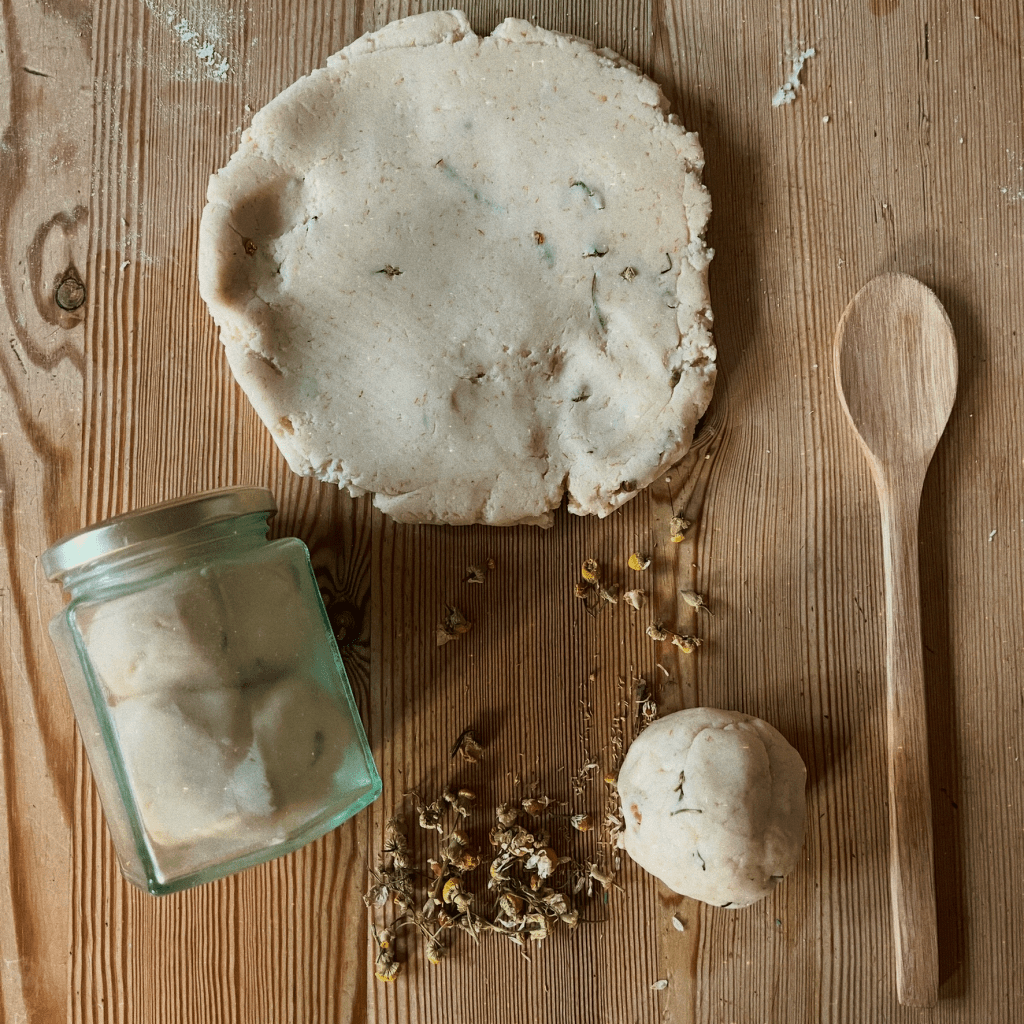
Choosing to not use conventional art materials is one of the main ways I do this. Sourcing (and making) nature-based, eco-friendly, sustainably & ethically made, toxic-free materials not only reduces the environmental impact (one example: fewer microplastics in our seas from acrylic paints), but stands against the exploitation of the people who make them (two examples: forced labour & human trafficking in mining & mineral extraction, and health conditions linked to VOC exposure from oil paint production). Choosing earth conscious art materials also actively supports and enables more people to access art therapy: people who have health concerns, people who want to reduce their exposure to harmful chemicals, children, people who experience sensory overload, people who have allergies, people who are pregnant, people who have limited access to nature connection…
When therapists say they care about the wellbeing of their clients, I urge them to re-examine their definition of care if it does not consider these factors.
Care that incorporates the interconnectedness of people (non-human animals included) and planet. Care that recognises that we are nature and therefore caring for nature is caring for ourselves and each other. Care that challenges convention, consumerism, capitalism. Care that transforms self-care into community care. Care that supports our client’s capacity to leave therapy and thrive in society – to participate in, and be held by, collective care.
 Earth Art Therapy